
Weekend Warrior Injuries: When to Rest, When to See a Chiropractor, When SoftWave Makes Sense
November 23, 2026 · By Dynamic Chiropractic
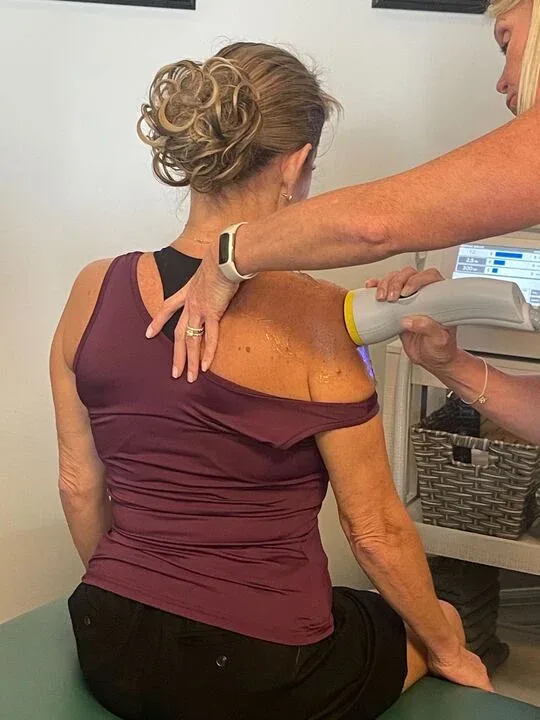
The short version: Fort Lauderdale is a twelve-month sports town — pickleball, tennis, running, cycling, boating, golf — and a lot of it gets played by people whose weekday is a desk. That pattern has a name and a predictable injury list. The American Academy of Orthopaedic Surgeons says it plainly: "Compressing your exercise into 2 days sets you up for trouble and does not increase your fitness level." This post covers which injuries rest will handle, which ones need an exam, and where chiropractic care and SoftWave fit at Dynamic Chiropractic.
Why the weekend-warrior pattern breaks things
Tissue adapts to load gradually. Tendons, ligaments and the cartilage in joints strengthen in response to regular, moderate stress and get irritated by sudden, large doses of it. Five days of sitting followed by three hours of pickleball is a sudden large dose delivered to tissue that spent the week shortening. The CDC's guideline for adults — 150 minutes of moderate activity a week plus at least two days of muscle-strengthening — isn't only about fitness; spread across the week, that's the load pattern that keeps tendons tolerant of Saturday.
OrthoInfo's practical rules for adults returning to sport: warm up for a few minutes before stretching, cool down after, increase activity by no more than about 10 percent a week, and build cardio, strength and flexibility together rather than one alone.
The usual suspects, by sport
- Pickleball and tennis: rotator cuff irritation from overhead shots, tennis elbow from gripping and backhands, calf and Achilles strains from the sudden stops
- Running: knee pain around or under the kneecap, iliotibial band irritation on the outside of the knee, plantar fasciitis in the heel, shin splints
- Cycling: neck and upper-back stiffness from the riding position, low back pain, knee pain from saddle height
- Golf: low back pain from rotation, golfer's elbow on the inside of the elbow, lead-side hip and shoulder irritation
- Boating and water sports: shoulders from hauling and paddling, low backs from bracing against chop
Rest it, or get it looked at?
OrthoInfo's advice for sprains and strains is a good first filter: rest, ice, compression and elevation for the first couple of days, and "if your symptoms persist, contact your doctor." A practical version:
- Rest it (48–72 hours, then ease back): general soreness after a hard session, a mild strain that's improving day by day, stiffness that works out with movement
- Get it examined: pain that is the same or worse after a week of rest, a joint that swells, locks or gives way, pain that wakes you at night, numbness or tingling, or anything that happened with a pop or a snap
- Go to urgent care or an emergency department first: a joint that looks deformed, inability to bear weight, a suspected fracture, or a head injury
Where chiropractic care fits
A lot of recurring sports injuries are a mechanics problem wearing a soft-tissue costume. The tennis elbow that keeps coming back often rides on a stiff shoulder and upper back; the runner's knee on a hip that doesn't control the leg; the golfer's low back on hips that don't rotate. Chiropractic care addresses the joints that aren't moving so the tissue downstream stops overworking. The exam looks at the whole chain, not just the spot that hurts — that's the difference between treating the symptom and treating the reason it keeps showing up. Our sports injury treatment page covers the approach.
Where SoftWave fits
When the problem is the irritated tissue itself — a cranky rotator cuff tendon, a tennis elbow, a heel that won't settle — SoftWave therapy is directed at exactly that layer. Our device is FDA 510(k) cleared for relief of minor muscle aches and pains, temporary increase in local blood circulation, and activation of connective tissue; we've written about what that clearance means, and about how it applies to shoulders, knees and heels. It isn't a substitute for the rest-and-rebuild part, and it isn't for acute tears or fractures. Many weekend athletes end up with both: adjustments for the joints that set the problem up, SoftWave for the tissue that paid for it.
Getting back on the court
Book a $49 first visit and bring the story — which sport, what happened, how long. The exam sorts out which category you're in and what a plan looks like. And the next time you have a free weekday evening, a 20-minute walk does more for Saturday's shoulder than any treatment we offer.
Frequently Asked Questions
Ice or heat for a sports injury?
Ice in the first two to three days after an acute injury, when the area is swollen or hot — 15 to 20 minutes at a time with a cloth between ice and skin. Heat later, for stiffness and tight muscles once the swelling has settled. If you're not sure which stage you're in, ice is the safer default; if it isn't improving after a few days, get it examined.
How long should I wait before getting an injury checked?
If it's improving day by day with rest, give it a week. If it's the same or worse after a week, swells, locks, gives way, wakes you at night, or came with a pop, don't wait. Anything that looks deformed or won't bear weight goes to urgent care or an emergency department first, not a chiropractic office.
Can I keep playing through it?
Through general soreness, usually yes, at reduced intensity. Through sharp pain, a joint that swells after every session, or a problem that's getting worse week on week, no — you're trading a short break now for a long one later. The exam will tell you what you can keep doing while the problem is addressed; the answer is rarely 'nothing.'