
How to Heal Plantar Fasciitis: What Actually Works
November 25, 2026 · By Dynamic Chiropractic
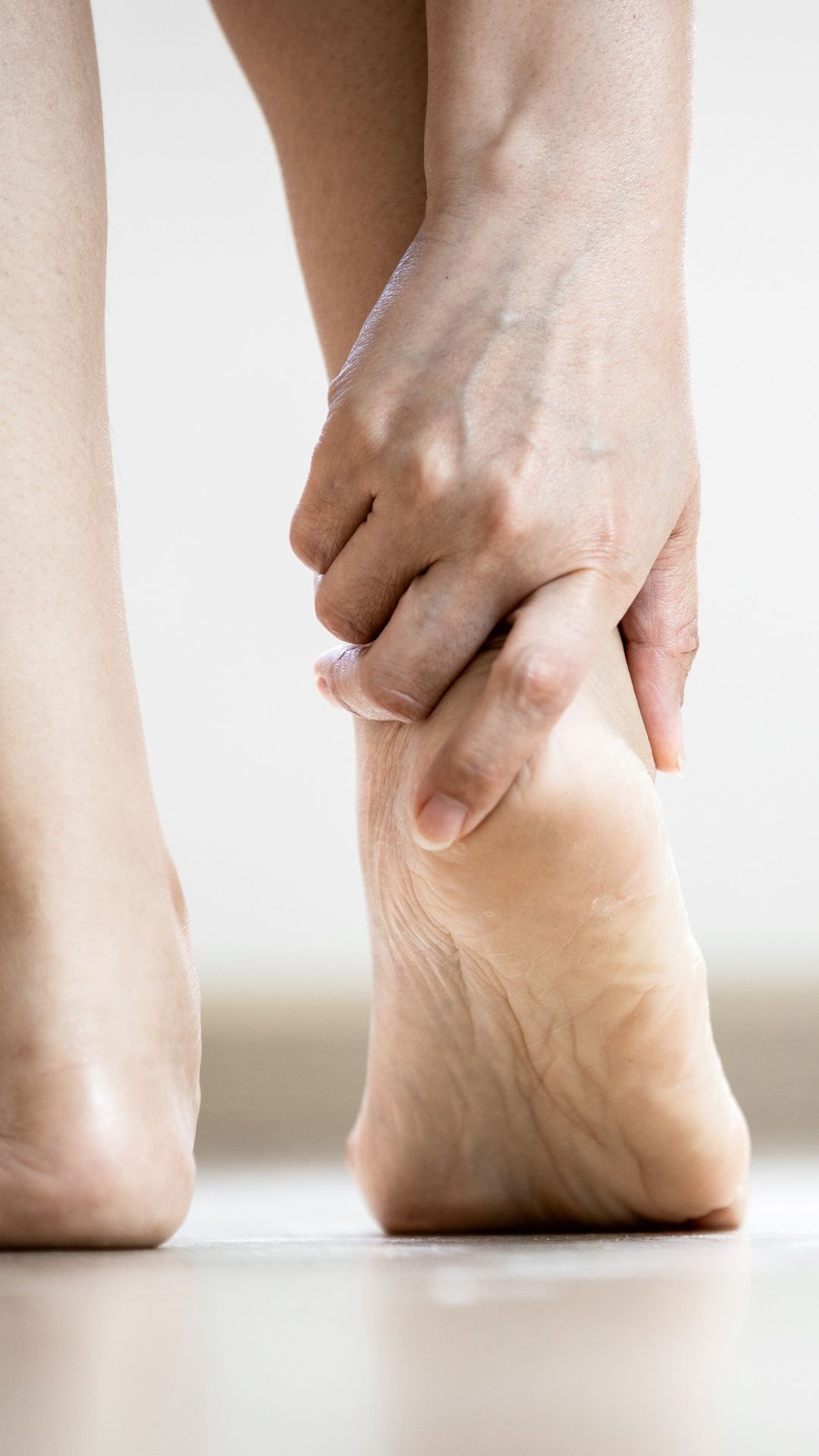
The best way to heal plantar fasciitis is consistent conservative care: stretch your calf and the bottom of your foot every day, wear supportive shoes with a cushioned heel, cut back on the activity that aggravates it, and give it time. Most people improve within several months of starting these simple steps. If the heel still hurts after a fair trial, it's time for an exam.
Why your heel hurts when you walk
The plantar fascia is a thick band of tissue that runs from your heel bone to your toes and supports your arch. When it's overloaded, the attachment at the heel gets irritated. The classic sign is a sharp pain under the heel on your first steps in the morning, or after sitting for a while, that eases as you move around.
How do you treat plantar fasciitis at home?
- Stretch your calves and the arch of your foot several times a day, especially before your first steps in the morning.
- Wear supportive shoes with arch support and a cushioned heel. Avoid going barefoot or wearing flat sandals on hard floors.
- Reduce running, jumping and long periods of standing for a while, and swap in lower-impact exercise like cycling or swimming.
- Roll the bottom of your foot over a frozen water bottle for a few minutes to calm soreness.
- Ask your doctor or pharmacist whether an over-the-counter anti-inflammatory is safe for you.
Mayo Clinic and the American Academy of Orthopaedic Surgeons both list these steps first. They aren't exciting, but they're the steps that work for most people.
When to get your heel checked
Get an exam if the pain hasn't improved after a few weeks of home care, if it's getting worse, or if it limits your day. Not all heel pain is plantar fasciitis. A heel spur, Achilles tendinitis, a nerve problem or a stress fracture can feel similar, and each one needs a different plan. Get urgent care for severe pain after an injury, numbness, or a heel you can't put weight on.
Where SoftWave fits
SoftWave therapy uses broad, low-intensity acoustic pressure waves delivered through a handheld applicator. Our device, the OrthoGold 100, is FDA 510(k) cleared for relief of minor muscle aches and pains, temporary increase in local blood circulation, and activation of connective tissue. It is a non-invasive, drug-free option to discuss — not a promise, and not a replacement for a proper diagnosis.
For plantar fasciitis, SoftWave is something to consider after the basics have had a fair trial. The research on shockwave therapy for this condition is mixed, and we cover that honestly in our plantar fasciitis guide. Dr. Raby treats the heel, the arch and often the calf, and she'll tell you what a fair checkpoint looks like.
Getting started
The $49 new patient visit includes the consultation, an exam, any diagnostics Dr. Raby needs, and your first SoftWave treatment if it is appropriate for you. Book online or call (954) 938-4321.
Frequently Asked Questions
What is the fastest way to heal plantar fasciitis?
There's no instant fix. The quickest path for most people is doing the basics every day: stretching the calf and arch, wearing supportive shoes, and reducing the activity that triggers the pain. Skipping days is the main reason recovery drags on.
How long does plantar fasciitis take to heal?
Usually a few weeks to several months with consistent conservative care. If you haven't made progress after a couple of months of real effort, get an exam to confirm the diagnosis and talk about other options.
Should I walk if I have plantar fasciitis?
Gentle walking in supportive shoes is generally fine. Cut back on long walks, running and standing on hard floors until the pain settles, and avoid going barefoot.
Related Pages
- SoftWave Therapy
- Plantar Fasciitis: Why Heel Pain Drags On
- SoftWave vs. Shockwave Therapy
- Book an Appointment